

Work with me
Transforming the way leaders engage their teams and create sustainable cultures through interactive theatre-based workshops that build empathy, foster inclusive behaviors, and prepare them for tough challenges of managing people.

Let’s make your company a great place to work.
Never Miss An Update
What’s in the emails?
Personal, direct emails from me
Resources to help you create thriving teams — blogs, articles, podcasts, videos, and more!
Access to Workshops & Trainings
Actions: it's not enough to just consume something, you've gotta know what to do with it.
Insights from the McLaughlin Method Blog
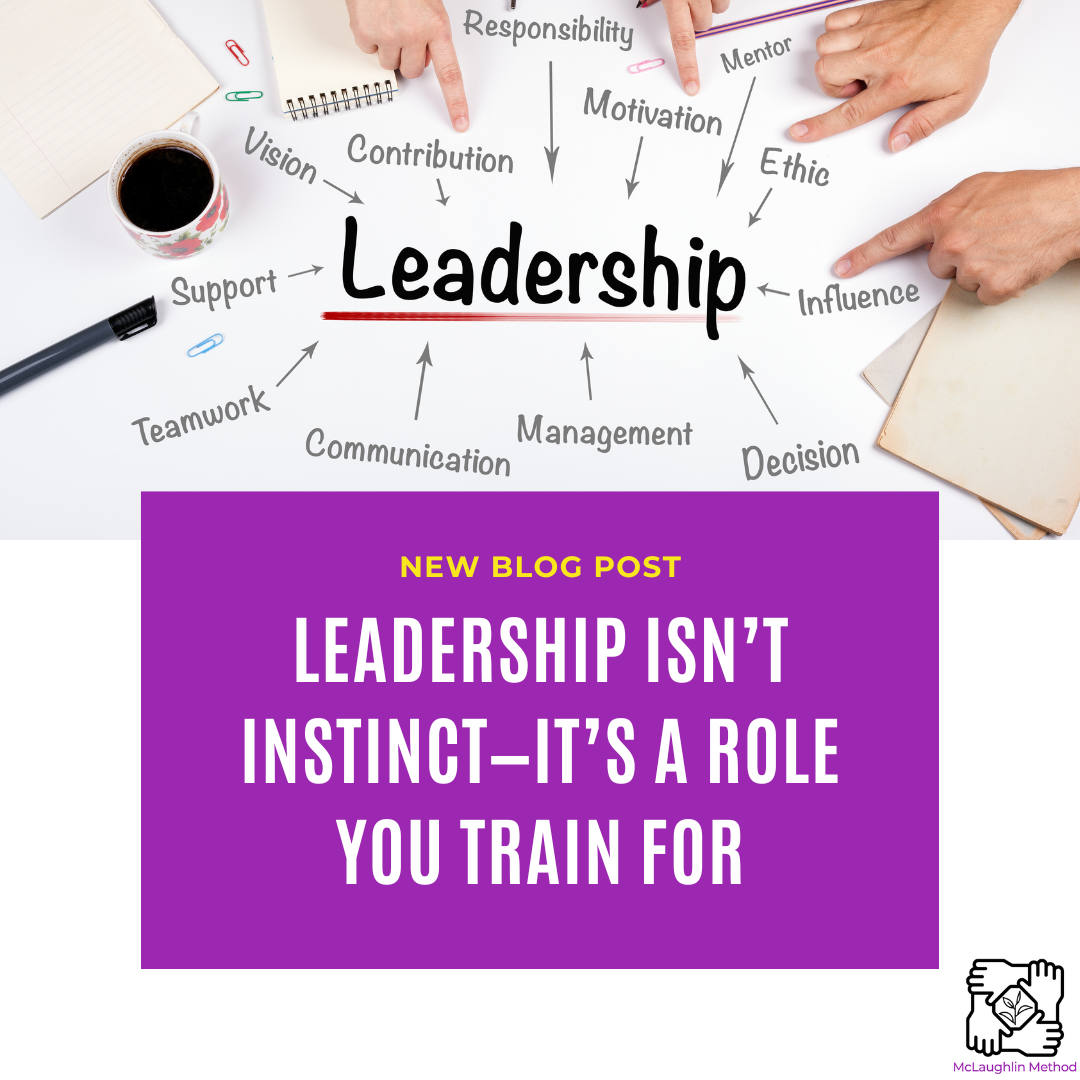
Actors train relentlessly for their roles. What if leaders did the same? Explore growth, self-awareness, and continuous learning in leadership.

Katie McLaughlin returns to Life Beyond the Numbers to chat to me about the team dynamics and how our emotions and actions driver our results. We cover the role emotions play in shaping team performance and the link between emotional awareness and intentional action in the workplace. Katie speaks of her unique use of theatre techniques to help teams explore and transform workplace dynamics. We chat about the importance of having fun and creating moments of levity to improve team culture and how leaders can foster psychological safety and trust within their teams. A key takeaway from this episode is the common misconception we might have that if our actions got results there's this assumption that those actions are correct ... however, there's a lot of different actions that could be taken to get the same results.

In this episode, Katie shares her innovative strategies, including:
Why team health is the new metric leaders need to track for organizational success.
How to bridge the gap between theory and action through rehearsing real-world scenarios.
The importance of self-awareness and starting with yourself to drive meaningful cultural change.
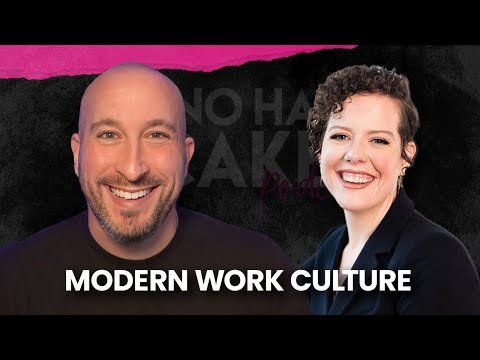
Katie McLaughlin, a leader in integrating joy and self-awareness into modern work culture, appears on the No Half Cakes podcast hosted by Jim Sabellico. The conversation touches on how joy, authenticity, and individual differences can shape team cohesion and productivity. Katie also shares insights on how the COVID-19 pandemic has accelerated workplace shifts toward personal freedom and individuality.

Startup Patterns hosts a panel discussion to unpack and examine the recent popular post on so-called "Founder Mode", exploring what's good, what's bad, and what's confusing about Paul Graham's latest piece.

In this episode, we dive into Katie's innovative approach that integrates theater into workshops, helping teams reconnect, have fun, and build lasting relationships rooted in empathy and collaboration. Forget the traditional team-building events—Katie’s method goes beyond trust falls and happy hours to create truly transformative experiences.

Discover why prioritizing team health is crucial for your organization’s success. Learn how a strong, connected team can boost productivity, reduce turnover, and create a positive workplace culture. Explore actionable strategies to improve team health and enhance overall performance.

What really is Team Health and how can you build it? Listen to this podcast guest episode from the You Belong in the C-Suite podcast to find out!

Curious about how to boost your team’s performance and communication? The McLaughlin Method offers a fresh take on team-building with workshops that mix creative theater techniques with practical business strategies. Explore how we help teams connect on a deeper level, resolve conflicts, and work together more effectively.

Featured on the TTC Innovations podcast, Katie shares insights on how her unique approach, blending business acumen with theater techniques, can make a significant impact on your organization. Whether you're a startup founder or an established business leader, Katie's insights offer actionable steps to improve your team's connectivity, creativity, and overall performance.

As we step into the second half of the year, it’s the perfect time for a fresh start. Whether the first half of the year went as planned or not, now is your chance to refocus and reenergize your team for the months ahead. The beginning of July offers a unique opportunity to hit the reset button, set new goals, and foster a renewed sense of motivation and productivity. In this article, I'll share some effective strategies to help you and your team make the most of this fresh start.

Facing the pressure of end-of-month or end-of-quarter deadlines? Discover how the "show must go on" mentality can help your team meet immovable deadlines without burning out. Learn effective strategies for backward planning, prioritizing tasks, reallocating resources, and maintaining clear communication to ensure your team navigates crunch time successfully. Enhance your team's productivity and morale during high-stress periods with these practical tips. Read more to find out how to turn deadline pressure into a motivating force for your team.


Discover how Agile principles can transform decision-making in tech and startups, beyond just coding. We’ll explore how to stay focused without losing sight of the big picture, avoiding the dreaded tunnel vision. Plus, we’re mixing things up with some improv theater techniques to help you stay nimble and make quick, values-driven decisions. Ready to lead your team with confidence and creativity? Dive into our latest article and learn how to thrive in the ever-changing tech world.

Dive into the heart of transformative leadership with our latest article, where we explore the pivotal role of empathy in shaping inclusive, dynamic, and successful workplace cultures. Discover practical strategies and inspiring insights that will empower you to lead with empathy, fostering stronger connections and driving positive change in your organization.

Katie shares her expertise in using theater-based exercises to address biases, boost emotional intelligence, and foster inclusive cultures in start-up environments. Together, we explore the impact of company culture on business success, the challenges of displaying vulnerability as a leader, and the role of non-verbal communication in facilitating meaningful discussions.
Join us for an insightful conversation that will inspire you to take a deeper look at your own contributions to company culture and the art of asking questions in the workplace.


Scaling your business is top of mind. All. The. Time. Great founders look beyond the tech and to what their people need for their company to operate at scale.

Stop feeling overwhelmed and start taking action that has impact on your organization today.


What a way to start the year by about lessons we learn through theatre!
Listen to learn:
qualities of good improvisers to emulate in the workplace
team lessons from ensemble-based thinking
becoming both a spectator and actor at the same time
what it’s like to work with McLaughlin Method to get real about actual scenarios at work and how they impact us

In this episode of Relationships at Work, Katie talks about why we need to introduce the principles and power of theatre into the employee experience.
Katie shares her thoughts and experience with...
What does theatre looks like as an engagement tool in the workplace? How theatre can help employees be seen and heard The challenge of diversity in introducing theatrical practices.The two biggest takeaways from a theatre exercise. How to convince decision makers to embrace theatre. When the best time to incorporate this method in the employee journey.

Katie speaks about how she uses her background in theatre to facilitate transformation at work. She believes that we need more artists in the world of business as there's less of a science to business and more of an art. In this episode, we talk about how your intention matters and to be wary of the unintended impact of your intentions. We talk about vision, values, connection, meaning and the skill sets we need to better communicate, collaborate and understand each other. We also cover unfulfilled potential in our workplaces, workplace hurt and the value of felt lived experience.

Change is inevitable. It’s a constant element in any type of organization that brings a couple of setbacks. But there are ways to manage change where it’s not too disruptive. You might think that you need to have a completely different skill set to step into a change management role. But what if you could get better at translating your current skill set of learning and talent management skills to change management roles? In this session, we’ll dig into your existing skill set to help you match your skills with change management roles and projects to make yourself more marketable in a job search, or to provide more value to your existing organization. We’ll also look at how your learning and talent management skills make you the ideal candidate for working on change management projects. You have access to data and intel that are crucial to help you advocate for change in your company, gain insights into blockers or avenues for change, and communicate why you’re implementing change.

In this episode, Katie McLaughlin, Founder of the McLaughlin Method, talks us through how leaders can use tools like body language, tone, and dialogue to positively impact business results.
Katie describes most leaders as people who are "kind of leading by accident and aren't aware first and foremost that they have choice and that they have the ability to affect behavior and affect change. And then secondly, that once they know that they can do that, how do they want to show up? If they've never thought about what does it mean for me to be the leader I want to be? And how does that look when I'm leading my team?"
If you're wondering how to positively impact relationships and drive the results you want in your organization, this is the episode for you.

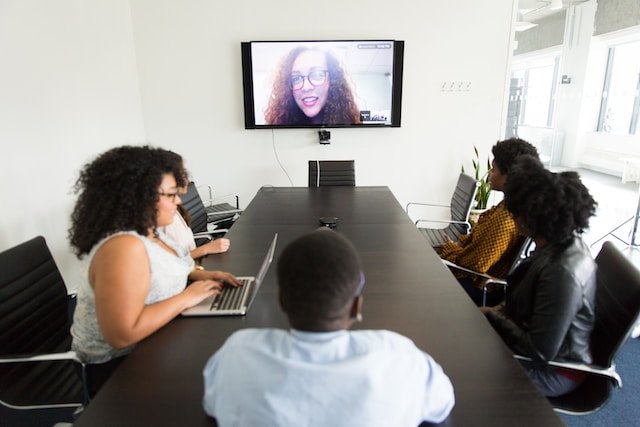
Katie talks about what we can do to improve our workplace culture in this remote landscape.
A few takeaways from this episode :
- Being a remote employee and leader takes more emotional energy than being in person. What we save in commute time, we use towards connecting over technology.
- Culture is found in small moments like showing up on time and celebrating small wins.
- In a remote workforce culture, it can be easy to assume you’ll save resources because you aren't paying for office space. Practically speaking, those same resources can be re-allocated to enrich the lives of your teammates.